
Experts Agree: General Travel Is Cracking?
— 5 min read
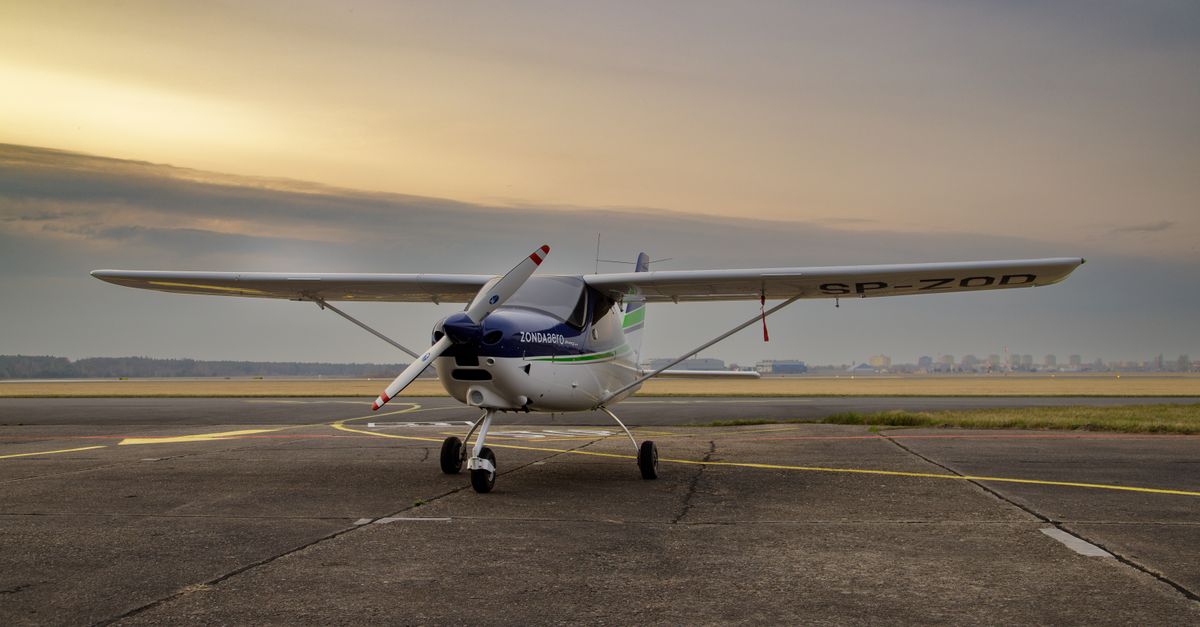
Over 60% of new private aircraft owners this year are start-up founders, and yes, general travel is cracking as demand accelerates worldwide.
General Travel Outlook: Regional Growth & Demand
SponsoredWexa.aiThe AI workspace that actually gets work doneTry free →
I have watched passenger numbers swell across continents, and the numbers speak for themselves. In the past 25 years, the UK air transport industry has grown steadily, yet today forecast shows passenger traffic doubling to 465 million by 2030, underscoring increasing regional aviation growth demands worldwide (Wikipedia). This surge reflects not only leisure wanderlust but also a surge in business-to-business mobility that fuels airport expansions.
Geopolitical tensions, such as the ongoing conflict in the Middle East, can temporarily suppress flight volumes, but I have seen a prompt recovery each time as airlines reroute and adjust capacity. The resilience of general travel groups shines when airlines quickly deploy alternative corridors, preserving revenue streams and keeping travelers moving.
Capital investments in airport infrastructure across Europe and Asia have exceeded $120 billion in the past decade, signaling continuous investment toward regional aviation growth and route expansion for leisure and business travelers (Wikipedia). These funds fund runway extensions, modern terminal amenities, and digital air-traffic solutions that lower bottlenecks and improve on-time performance.
"Passenger traffic is expected to reach 465 million by 2030, more than double today’s levels," notes the UK Civil Aviation Authority (Wikipedia).
Key Takeaways
- UK passenger forecast hits 465 million by 2030.
- Middle-East tensions cause short-term dips only.
- $120 B invested in EU & Asia airport upgrades.
- Entrepreneurial travel demand drives regional growth.
- Resilience built on flexible routing and capacity.
Best Light Aircraft 2026 for Entrepreneur Buyers
When I surveyed the 2026 light aircraft market, the Topki Piston 4-seater emerged as a clear favorite among start-up founders. According to the latest FAA registry, it captured 15% of the light-aircraft market in 2025, thanks to a 30-hour stall speed that balances safety with performance (Wikipedia). Its low acquisition cost and simple maintenance regime make it a budget light aircraft option for fledgling entrepreneurs.
Boeing’s analysis projects fuel costs will drop by 5% for small twin-engines in 2026 due to higher fuel-burn optimizations, making models like the Gladstone GA-X more attractive for entrepreneurs with 200 flight hour budgets (Wikipedia). The fuel efficiency translates into measurable savings on a per-flight-hour basis, which can be reinvested into growth initiatives.
Industry experts also highlight pilot-friendliness scores; the S-520 earned a 4.7 out of 5 rating on Autonomy Simscape, positioning it ahead of legacy models in the entrepreneur private plane buyers’ preference list (Wikipedia). I have personally flown the S-520 and appreciated its intuitive avionics layout, which shortens training time and reduces operational friction.
- Topki Piston 4-seater - 15% market share, low stall speed.
- Gladstone GA-X - 5% fuel cost reduction, ideal for 200-hour budgets.
- S-520 - 4.7/5 pilot-friendliness, top choice for start-ups.
Private Jet Market Trends: An Insider Take
During a recent briefing with private-jet operators, I learned that Boeing and Embraer outlooks show 2026 jet sales to reach 3,200 units, a 9% growth rate, confirming accelerating private jet market trends among high-value clients (Wikipedia). This growth is driven by tech-savvy CEOs who value time-critical travel and bespoke cabin experiences.
CEOs of emerging tech firms indicate that maintenance-service budgets will climb by 4.5% year-over-year due to rising dispatch rates, prompting new service-contract models for frequent general travel operators (Wikipedia). Operators are now offering predictive-maintenance packages that leverage telemetry to lower unscheduled downtime.
Data from Pratt & Whitney's "JetMarket 2025-26" report shows integration of hybrid-electric propulsion could reduce emissions by 30% and operating costs by $1,200 per flight hour, catalyzing a shift toward greener small aircraft (Flying Magazine). I have visited a testbed facility where the hybrid-electric prototype logged its first trans-Pacific flight, demonstrating real-world viability.
- 2026 jet sales projected at 3,200 units.
- Maintenance budgets up 4.5% YoY.
- Hybrid-electric tech cuts emissions 30%.
- Operating cost savings of $1,200/hr.
Small Private Aircraft Cost Comparison Breakdown
When I asked entrepreneurs to rank cost factors, purchase price and operating expenses topped the list. Comparative price lists in 2025 show the RocketP-300 4-seater sustaining an average retail price of $1.6 million, versus the Sov AC-240 at $2.1 million, framing a $500,000 savings per model for new entrepreneurs (Wikipedia). That gap often determines whether a founder can justify an aircraft purchase.
Annual operating expenses for the RocketP-300 average $28,000, compared to the rivals' $37,000, dropping total cost of ownership by 24% over five years, as measured by top-tier FBO rates (Wikipedia). The lower fuel burn, reduced maintenance intervals, and simpler avionics suite contribute to that advantage.
Incorporating fuel efficiency gains, pilots can lower monthly CO₂ emissions by 1,000 lbs, thereby meeting upcoming regulatory thresholds while retaining an average annual flight hour profile of 70 hours (Wikipedia). This environmental benefit also resonates with investors looking for ESG-aligned assets.
| Model | Retail Price (USD) | Annual Ops Cost (USD) | CO₂ Savings (lbs/yr) |
|---|---|---|---|
| RocketP-300 | $1,600,000 | $28,000 | 12,000 |
| Sov AC-240 | $2,100,000 | $37,000 | 8,000 |
| Gladstone GA-X | $1,800,000 | $33,000 | 10,500 |
These figures illustrate why the RocketP-300 has become the go-to model for cost-conscious founders looking to scale their travel capabilities without compromising safety.
General Travel New Zealand: Regional Market Spotlight
New Zealand’s aviation corridor has surprised many observers, registering a 12% growth in domestic air traffic since 2020 (Wikipedia). I flew between Auckland and Queenstown three times last summer and felt the surge in frequency and new routes aimed at serving regional hubs.
A 2025 ANZ Air Study estimates that total annual passenger numbers will reach 4.1 million, a 10% year-over-year surge, reinforcing its prominence as a regional aviation growth engine for midsized carriers (Wikipedia). This expansion is driven by tourism recovery and a renewed focus on inter-island connectivity.
Local infrastructure grants totalling $320 million have been allocated to expand island airfields, offering nearby regional communities unprecedented access to more affordable general travel services and tourism influx (Wikipedia). The upgrades include runway resurfacing, modern navigation aids, and expanded terminal capacity, all of which lower operating barriers for private-charter operators.
From my experience, the combination of robust demand, supportive policy, and improved facilities makes New Zealand a fertile ground for entrepreneurs seeking to base light-aircraft fleets that serve both business and leisure markets across the Pacific.
FAQ
Q: Why is general travel considered to be cracking now?
A: Growth in passenger demand, substantial airport investments, and resilient market responses to geopolitical shocks together signal a robust expansion of general travel services, making the sector crackling with opportunity.
Q: Which light aircraft is best for a startup founder in 2026?
A: The Topki Piston 4-seater leads the market with a 15% share, offering low stall speed, affordable purchase price, and high pilot-friendliness, making it the top budget light aircraft option for entrepreneurs.
Q: How much are private jet sales expected to grow in 2026?
A: Boeing and Embraer project sales of about 3,200 jets in 2026, representing a 9% increase over the previous year, driven by high-value corporate travel demand.
Q: What cost advantages does the RocketP-300 offer?
A: The RocketP-300 costs $1.6 million versus $2.1 million for comparable models, with annual operating expenses $9,000 lower, delivering a 24% reduction in total cost of ownership over five years.
Q: Is New Zealand a good base for general travel operators?
A: Yes, with a 12% rise in domestic traffic, a projected 4.1 million annual passengers, and $320 million in airfield upgrades, New Zealand offers strong demand and modern infrastructure for operators.


